
The fine line between calling out and amplifying

Social media is powerful. It can connect communities, spotlight great ideas and inspire people to act. But it also has the power to incite division, amplify negativity, and give oxygen to bad ideas.
This shouldn’t be breaking news to anyone in politics… and yet I see examples of it all the time.
Sometimes it’s poor execution of an idea. Often it’s the result of chasing likes and views at the expense of common sense.
That’s why it’s important to think carefully about the messages we put out and about how we respond to content we don’t agree with. Are we challenging it, or just amplifying it?
When calling out becomes pushing out
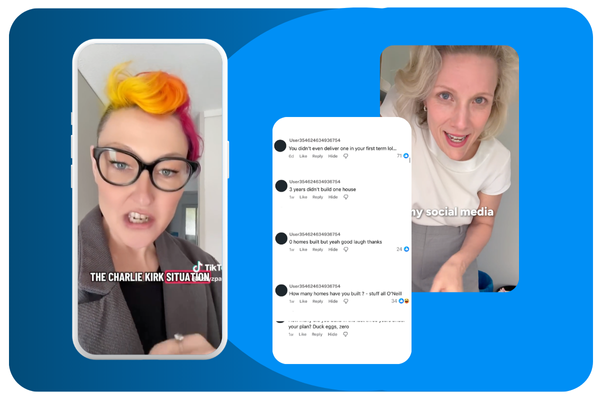
Reaction videos have become a social media staple and reposting someone else’s content to highlight their “problematic” views can be effective, but only if handled right.
Otherwise, you risk simply amplifying it.
Clare O’Neil’s reel opens with a string of comments criticising Labor’s housing policies. She does offer a counter argument of what the Government is doing later in the reel, but voters with short attention spans have likely scrolled on, meaning all they saw was the negativity she highlighted. Watch it here →
Ralph Babet’s repost of a video about Charlie Kirk is possibly the worst case scenario of amplifying your opponent’s message. He’s simply reposted a Tiktok he doesn’t agree with, sharing it with more people who otherwise may not have seen that TikTok video.
Putting aside the ethics of encouraging a virtual lynch mob to contact her employer, a big problem here is he’s assuming people will read his caption - which many will not. See it here →
The lesson? If you’re going to call something out, add effects, context, commentary to make your position crystal clear. Some classic ways to do this:
Edit the video: Add a black and white filter or other effects to make it clear, you’re not endorsing the original video.
React on screen: Add your reaction, either as a split screen or in a bubble to add context to the original.
Add text on screen: From the classic “stitch incoming” to a more provocative “can you believe this?!?” - this text highlights there is more coming and they want to stick around.
In praise of the deskie…
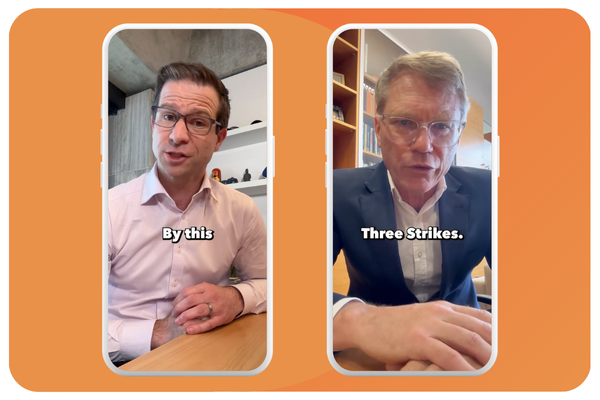
Not every piece of content you share needs to be a polished or complicated video.
A simple deskie update, where you prop your phone up on your desk and talk to your audience, can make your social media feel like a natural extension of your work. It’s straightforward, relatable, and shows you’re focused on the job.
How to make it work:
Have you camera down low: Looking down into the lens, as opposed to up at a staffer helps create a sense of intimacy and authenticity with your audience.
Carefully check the background: You don’t want the background to look like a film set, but make sure there isn’t anything confidential in the shot.
Talk to the camera, not your screen: It’s important to get the eye line correct in this format. If you need a reminder to look directly into the lens, add a little post-it note to highlight where the camera is.
Unfortunately, I do love this trend…
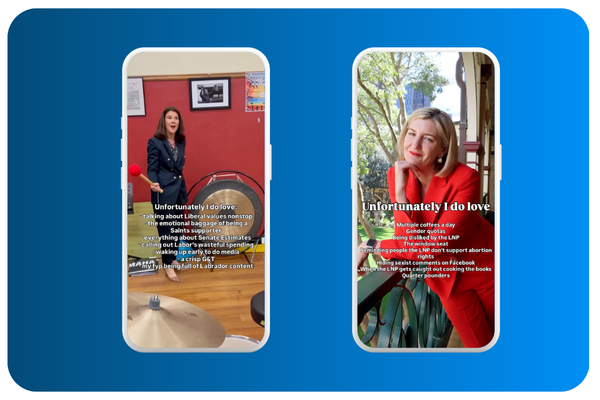
This trend is fun, easy, and surprisingly engaging.
Just share a bit of footage of yourself and overlay a list of things you “unfortunately love”—whether that’s coffee at 3pm, bad TV, or election-night pizza.
It’s a chance to show personality and connect with your audience on a human level.
Why not give it a go this week?
That’s it for now, but as always I’d love to hear from you. Send me your reels or something cool at @katewilson.au
Cheers,
Kate