Not all great ideas are for you (but some you can steal!)

Cost of living is dominating conversations right now — and for good reason. Inflation is stubborn. Interest rates are hurting people with mortgages and tenants. Confidence is shaky.
And of course, this isn’t just an issue in the headlines — it hits the hip pocket every single day. People are angry.
So how do you talk about cost of living and connect with your audience?
Let’s dive into some case studies.
comparisons to cut through.
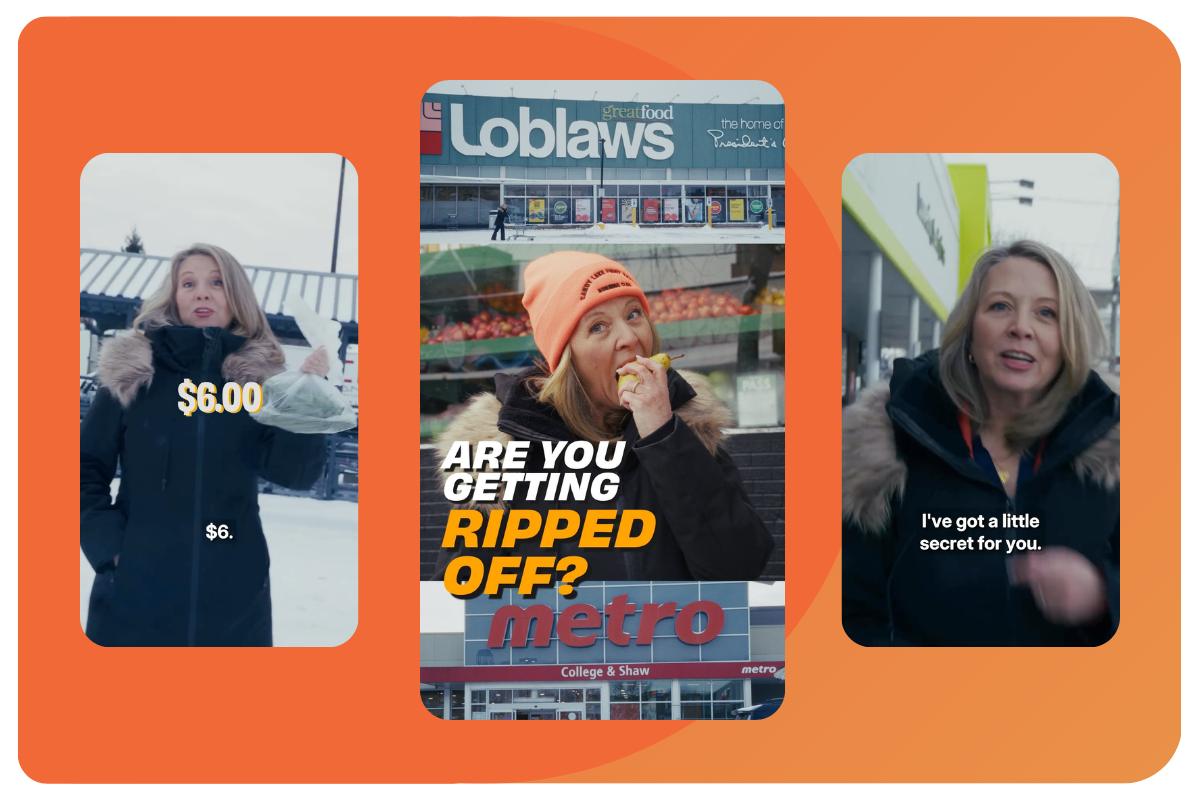
This reel from Marit Stiles is a great example of how to hook your audience while proving you are not detached from their reality.
Starting with cost comparisons for fruit and vegetables, she immediately pulls you in. You’re half wondering where you can get the cheaper items, while also nodding along at the ridiculous price of green beans.
But there’s more going on here than a strong opening hook. As a whole, the reel works because she:
flips expectations when revealing where to find the cheaper groceries
uses storytelling to show empathy for both her audience’s frustrations and highlights the efforts of independent store owners
uses charts and graphics briefly on screen to back up her claims
ramps up dramatic tension with an attack on her opponent
re-hooks her audience with a “secret”, which turns out to be her policy
supports her solution with examples of similar approaches used elsewhere
finishes by explicitly placing herself on the same side as voters
and includes a small blooper at the end — a subtle reward for anyone who sticks around.
It’s a lot to share in under three minutes — but it works.
The result is an engaging story that connects with her community, clearly identifies the problem, and walks viewers all the way through to a solution.
How to make this your own:
This format works well to promote a policy or launch a campaign. To create your own version you’re going to need:
a clear comparison to use to hook your audience.
a story you can tell about the impact on your community.
charts, graphics or headlines to give you credibility.
a point of difference to attack your opponent.
a solution you can reveal - with proof of it working elsewhere.
not all great ideas are for you…
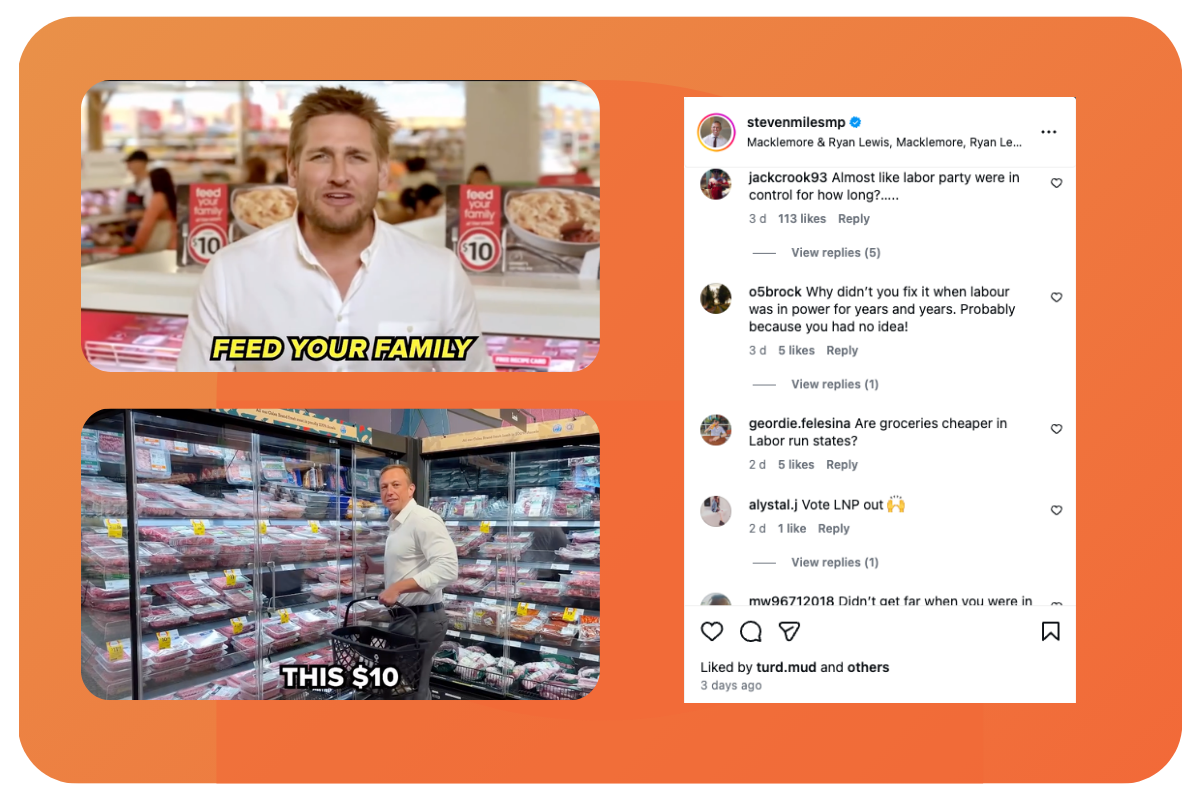
Remember the Feed a family of four for under $10 ads? Coles spent a lot of money a decade ago making sure you did.
Which is why it’s very clever that Steven Miles taps into those ads to make a simple point: grocery prices have gone up — a lot.
Why it works:
the reference is instantly recognisable - and he didn’t have to pay for that recognition.
the comparison between prices over nine years is dramatic.
it taps into a frustration most people are already feeling.
Where the wheels fall off is the shift from observation to blame.
Because grocery prices aren’t under state government control, the attempt to link them directly to his opponent is weak and the comments section is quick to call that out. They weren’t the only ones.
Between his own history and his party’s record, this is a strong idea from Steven Miles that may have landed better coming from someone else.
…but the concept could be.
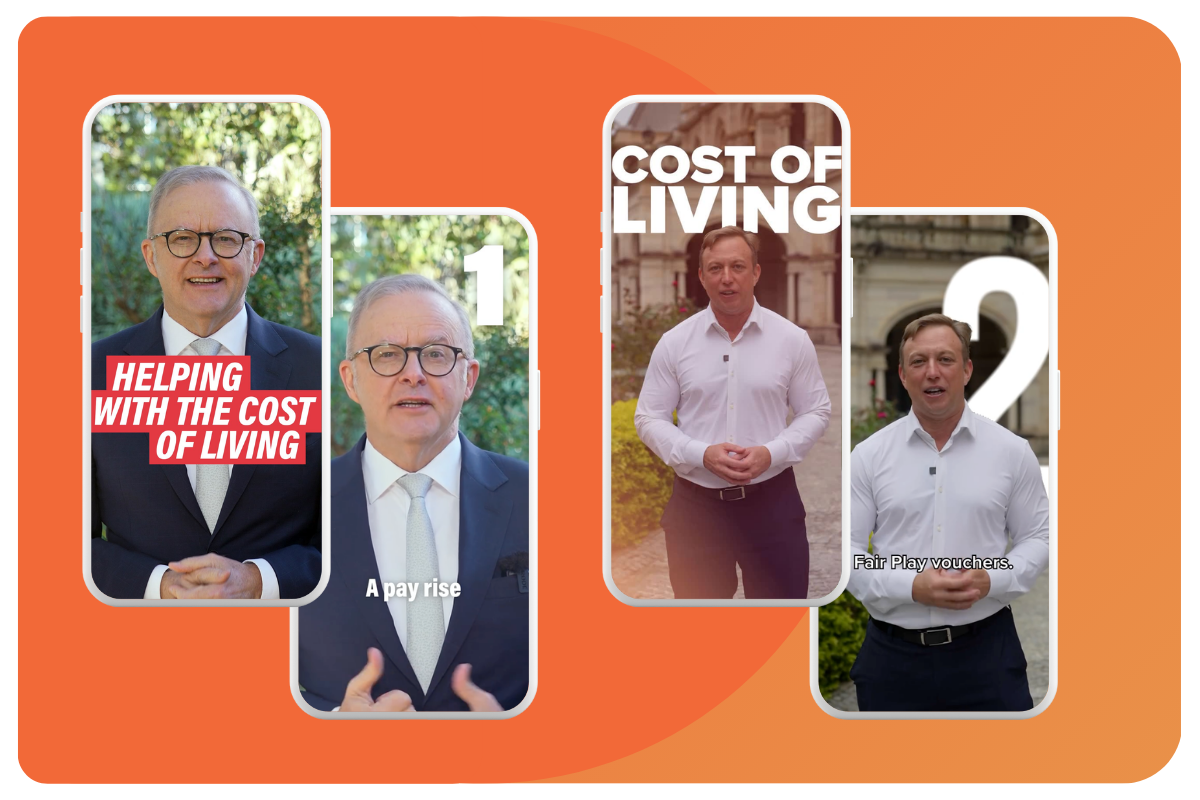
When I searched cost of living on Instagram, these were the first two reels I saw.
Different levels of government. One in power. One in opposition.
But fundamentally? It’s the same reel.
Same hook. Same concept. Same big number in the background.
It’s a great example of how you can take a successful format and adapt it to suit your own purposes.
Before I go — a quick heads up. I’ve just launched a new Instagram series called tv rules to break on reels. It’s about how the techniques you learn in traditional media training can actually work against you on social media.
If you’re looking to improve your connection with your community, and to reach new people, make sure you’re following @katewilson.au