
storms don’t stop the algorithm

Australia has always been a country of weather extremes, and Queensland in particular is well-practised at bracing for natural disasters. But the decline of local news and increasingly crowded algorithms can make it hard to reach people when its most important.
So let’s look at what actually works.
getting seen to be heard
During severe weather, getting eyes on your content isn’t about chasing views - it’s essential. There’s vital information to pass on about services, closures and safety.
While services may pause, social media algorithms don’t. Disaster content is still treated as business as usual.
So how do you get seen?
Video content is king and repurposing a press conference will generally do better than a text or still post.
However video updates shot specifically for social media will do better than a formal address. And updates from the scene perform best.
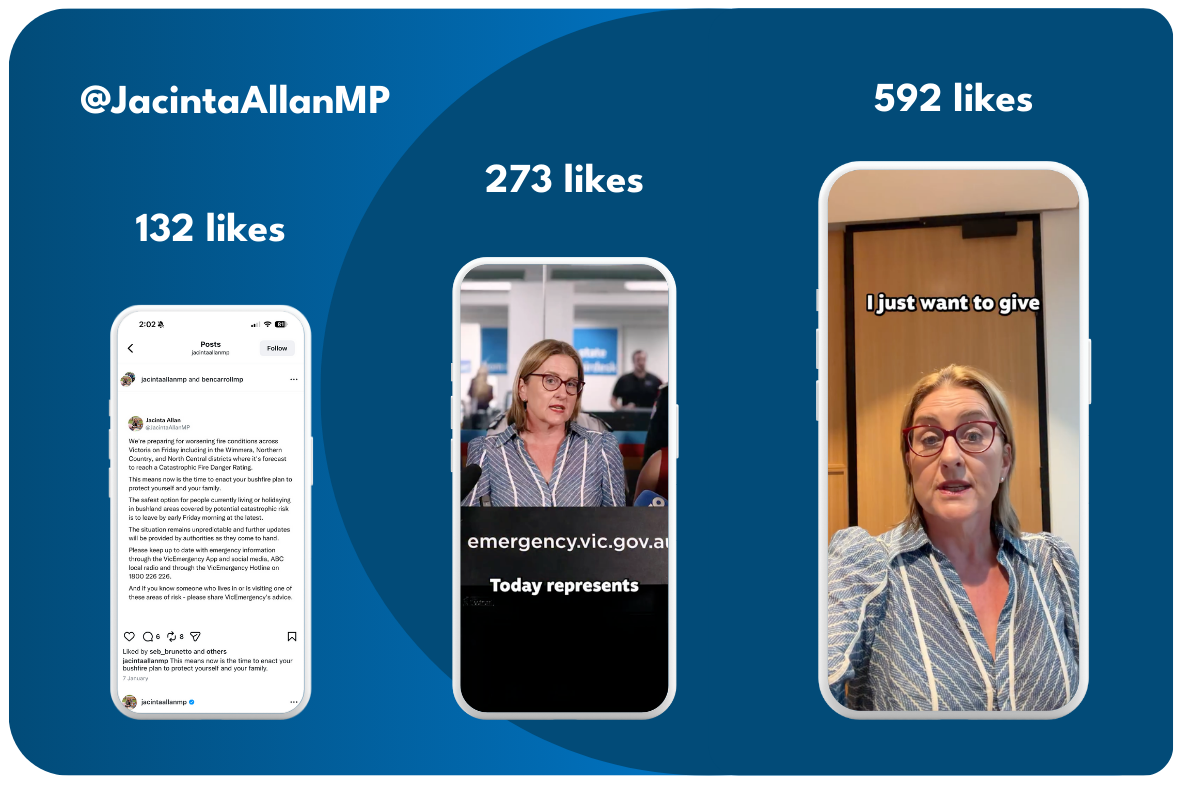
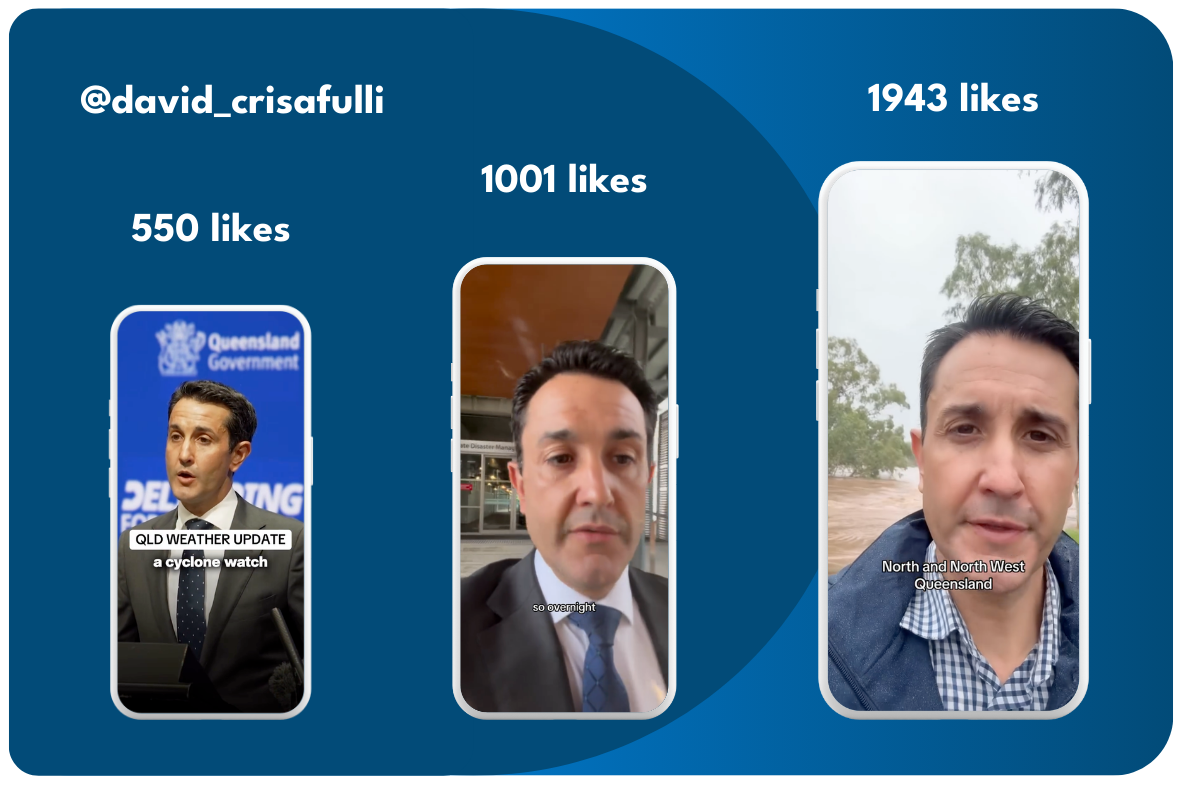
make it memorable & shareable
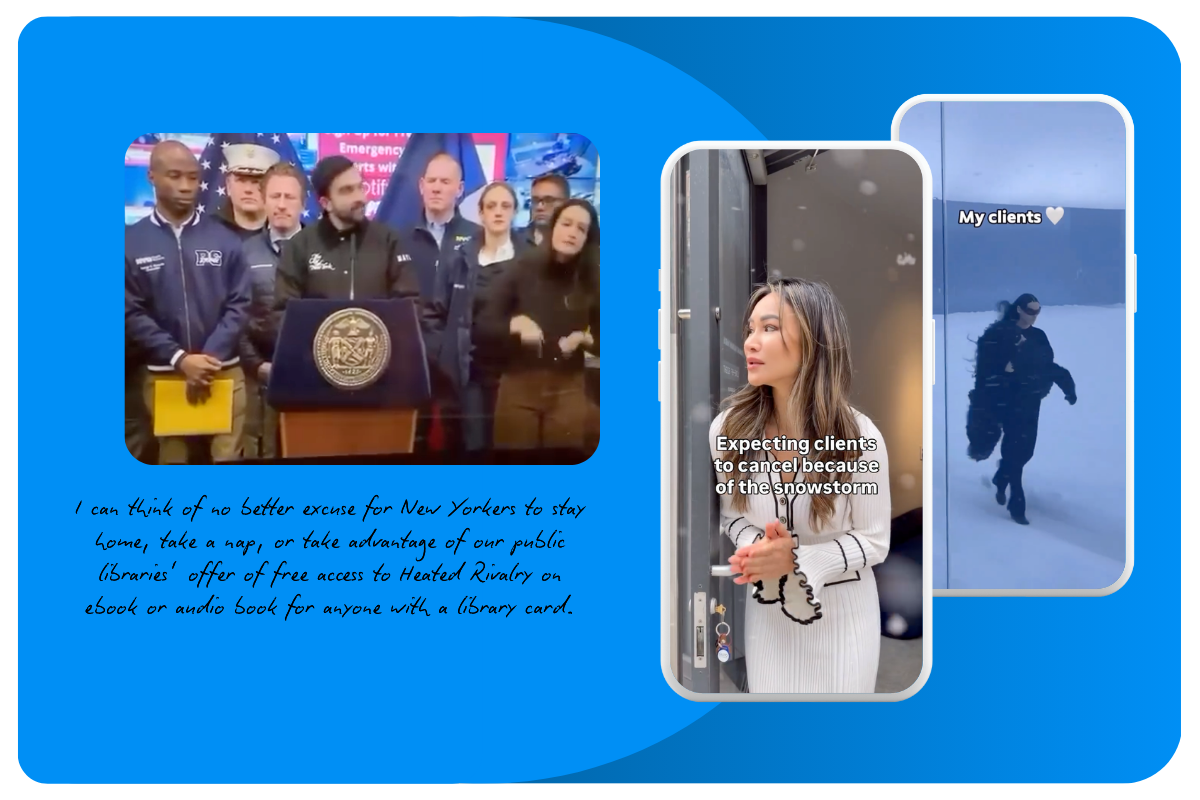
Want your message to reach even more people? Then make it shareable.
Adding in pop culture references and light (appropriate) humour can help serious messages travel further without undermining their importance.
New York Mayor Zohran Mamdani perfectly wields this technique with a Heated Rivalry offer during a press conference.
And this trend from snowbound businesses shows how businesses can reinforce “stay home” messaging or announce their own closures.
don’t be a distraction during a disaster
Disasters naturally put leaders in the spotlight. Premiers and mayors have vital information to share and should remain the single point of truth while danger is imminent.
So what do you post if you’re not the leader?
Honestly — no one is thinking about the Opposition Leader during a disaster. They’re thinking about their street, their power, their school and their safety.
That’s where you step in as a local champion.
What works:
Repost verified information
Amplify messages from leaders or organisations like the BOM if they’re relevant to your audience. Avoid sharing imagery you can’t verify. Old footage and AI images always resurface during disasters.
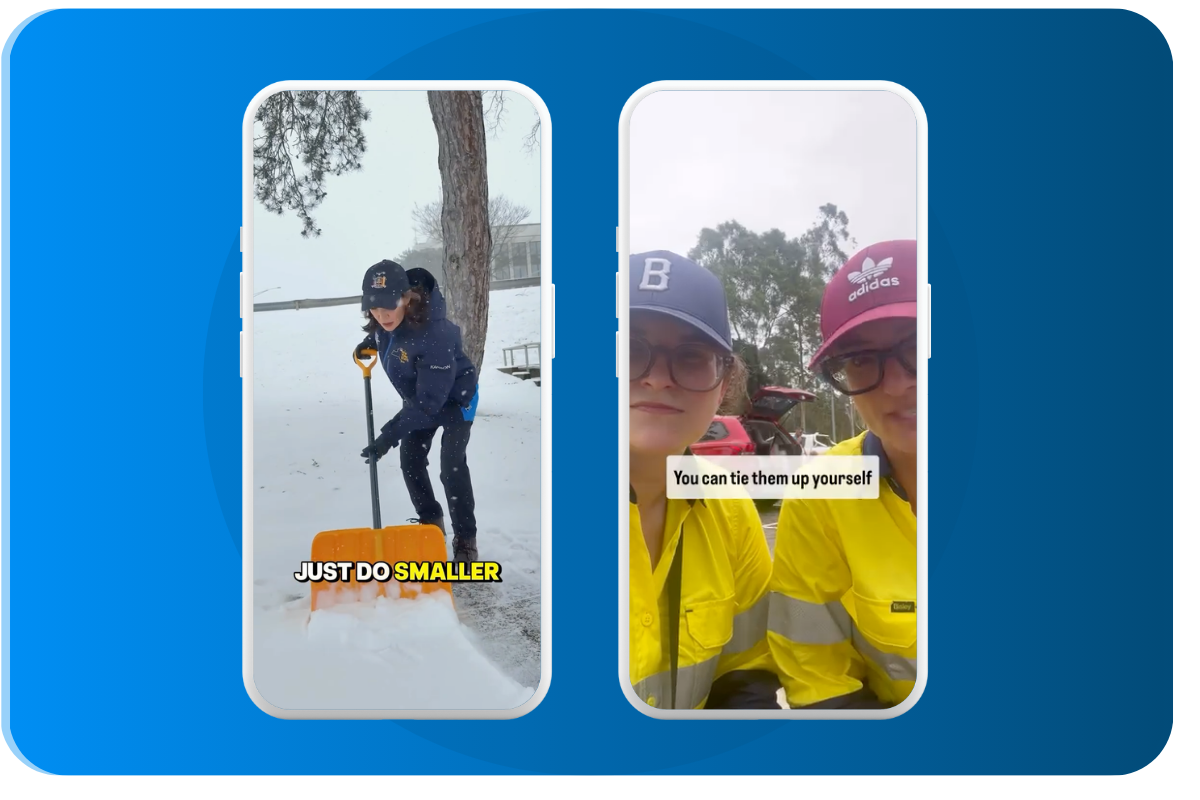
Share practical knowledge
Like NY Governor Kathy Hochul showing how to correctly shovel snow.
Or Brisbane City councillors Julia Dixon and Danita Parry sharing sandbag updates ahead of Cyclone Alfred last year.
Provide safe, local context
If you can do so safely, share accurate updates on creek levels, closed streets, businesses or storm damage. This helps people understand local impacts and avoid danger.
Keep posting after the headlines move on
Just because the national or state news cycle shifts doesn’t mean your community has recovered. Follow-up posts on recovery efforts or highlighting areas that still need help matters.